What Counts as a Damaged Passport?
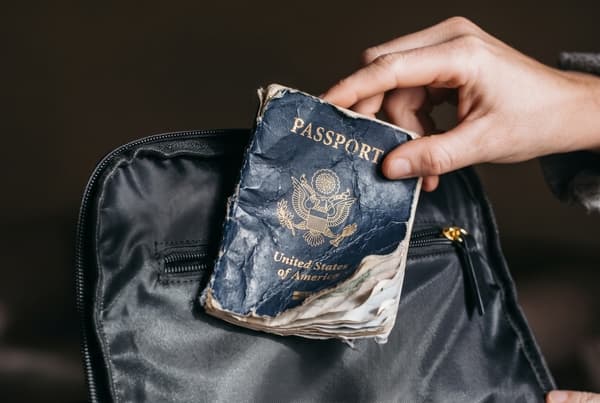
Start with the page that shows your photo and personal details, then flip through the rest of the book. The U.S. Department of State considers as damage:
- Significant tears
- Water stains or mold
- Unauthorized marks on the photo page
- Missing or torn visa pages
A hole punched through the passport also counts.
Normal Wear and Tear vs. Significant Damage
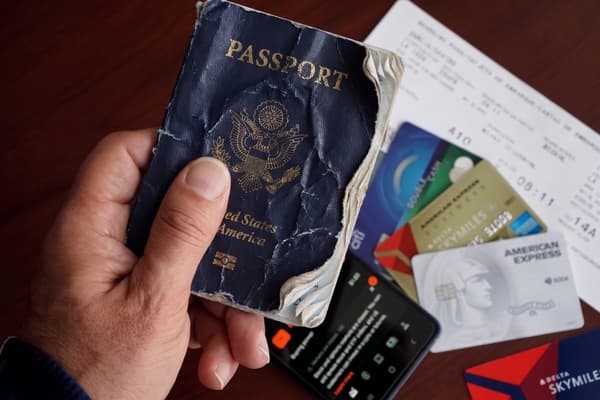
If you're wondering "Is my passport damaged?", here's how to tell. Slight fraying around the edges, a small bend from carrying the book in your pocket, or pages that fan out from use are all signs of normal wear. You can still travel with an otherwise valid passport in that condition.
Water Damage
If your passport went through the wash or got soaked in your bag, check it for stains and mold. Either is a sign of water damage and calls for a replacement, even after the passport dries. Also check for blurred print or peeling on the photo page.
Torn or Missing Pages
A torn or missing visa page counts as damage even if it was blank. Replace the passport if a page has come out or the book has a significant tear. A folded corner or slightly frayed edge falls under normal wear.
Damaged Photo Page or Chip
Replace your passport if the page with your photo and personal details is peeling or the photo or printed information is hard to read. A chip that's confirmed to be damaged or defective can also affect the passport's validity. If you suspect a chip problem, ask the National Passport Information Center what to do before your trip.
Unofficial Stamps and Markings
A souvenir stamp from a tourist attraction or a handwritten note can cause problems when you travel. The State Department lists unofficial marks on the photo page as damage. If you already have a souvenir stamp elsewhere in the book and aren't sure you need a replacement, check with the National Passport Information Center before you fly.
Can You Travel With a Damaged Passport?
If your passport shows only normal wear, you can use it as long as it meets your destination's entry requirements.
If it's significantly damaged, replace it before you leave. The airline may refuse to let you board, and you could face problems at border control.
Flying soon? If you're in the U.S. and your international trip is within 14 calendar days, try to book an urgent appointment at a passport agency or center. If you're already abroad, contact the nearest U.S. embassy or consulate for help replacing your passport.
How to Replace a Damaged Passport
To replace a damaged U.S. passport, apply in person using Form DS-11. Keep the damaged passport so you can submit it with your application.
- Fill out and print Form DS-11. Print it single-sided and wait until the passport acceptance agent asks you to sign it.
- Write and sign a brief statement. Describe what happened and which parts of the passport were damaged. For example, "My passport went through the wash, and several visa pages now have water stains."
- Gather your documents. Bring the damaged passport, the signed statement, proof of U.S. citizenship, a photo ID, and one new passport photo. Bring copies of your citizenship evidence and both sides of your ID.
- Submit your application and pay the fees. Take everything to a passport acceptance facility. For an adult passport book, the standard fees are $130 for the application and $35 for the acceptance facility.
Replace your damaged passport without the paperwork headache. EaseGov puts together your Form DS-11 before you head to your in-person appointment.
Can You Renew a Damaged Passport by Mail?
A damaged U.S. passport is ineligible for renewal by mail with Form DS-82 or through the State Department's online renewal service.
To get a replacement, submit Form DS-11 in person. If your passport shows only normal wear, you may still renew by mail if you meet the other eligibility requirements.